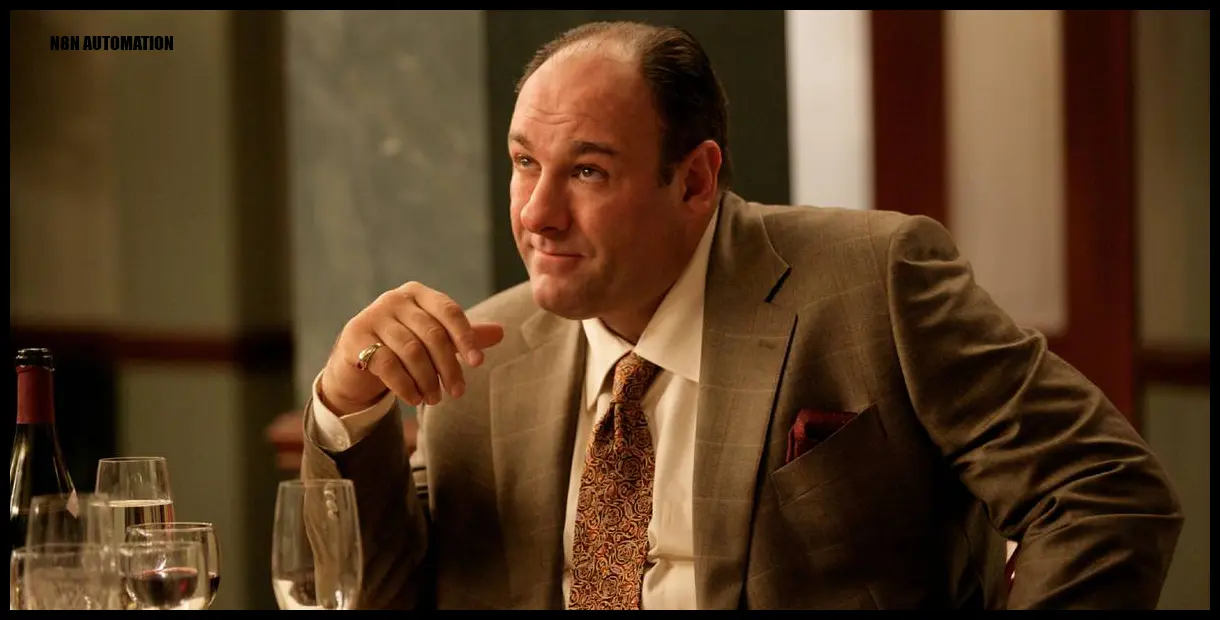
The Sopranos, premiering in 1999, revolutionized television by bringing complex gangster characters into living rooms.,The show’s portrayal of Tony Soprano, a crime boss struggling with mental health, made antiheroes relatable and set a precedent for future television.When The Sopranos premiered on HBO in 1999, it presented audiences with a television experience unlike any other. While gangster movies had existed for years, the small screen had not yet seen a comparable depiction. The Sopranos brought the gritty reality of mob life into homes, leading viewers to root for a morally ambiguous protagonist.
While not the originator of the antihero concept, The Sopranos is credited with ushering in a new era on television, establishing a template for many subsequent shows.
Tony Soprano’s appeal lies in his relatability. The series’ first episode introduced viewers to a New Jersey crime boss not solely as a menacing figure, but as a father and husband grappling with mental health issues. This exploration of therapy, a topic often met with discomfort at the time, placed viewers directly alongside the main character, Tony Soprano, during his sessions with Dr. Jennifer Melfi. His palpable discomfort resonated with many who struggled with similar issues, highlighting the stigma surrounding seeking help. The show humanized a violent and often cruel character by presenting his struggles as a father, husband, and leader, making him sympathetic even to the most conventional viewers.
The Sopranos deconstructs Tony through the relationships around him. Characters like Christopher Moltisante, who initially idolized Tony, gradually see through his dangerous facade as they become more involved in the family business. Tony’s manipulation and destructive influence are evident in his treatment of Christopher, even jeopardizing his sobriety and leading to the tragic death of Adrianna La Cerva. Tony’s decision to have Adrianna killed, without hesitation, removed any doubt for Christopher and the audience about Tony’s true nature. This event served as a catalyst for Christopher’s downfall, culminating in his death at Tony’s hands. The final scene, where Tony contemplates a baby seat after crashing the car, underscores his complete lack of regard for anyone’s safety, including his own family, solidifying his irredeemable nature.
Following in Tony Soprano’s footsteps, shows like Breaking Bad and Sons of Anarchy further explored the antihero archetype. Breaking Bad, premiering in 2008, featured Walter White, a relatable high school teacher diagnosed with cancer, who descends into criminal activity. Initially sympathetic due to his circumstances, White’s underlying cold and calculating nature eventually becomes undeniable.
Sons of Anarchy, also released in 2008, presented a motorcycle gang led by Clay Morrow and Jax Teller. While Jax Teller, unlike Walter White, was a character viewers could root for due to his desire to escape the criminal life for his children’s sake, his ultimate inability to do so and his eventual demise show a different evolution of the antihero. The template established by Tony Soprano had evolved, with characters like Jax grappling with internal conflict and seeking redemption, albeit unsuccessfully.
By the time The Sopranos concluded in 2007, it had not only popularized the antihero but had also perfected and deconstructed the archetype that continues to resonate with audiences today.
Leave a Reply